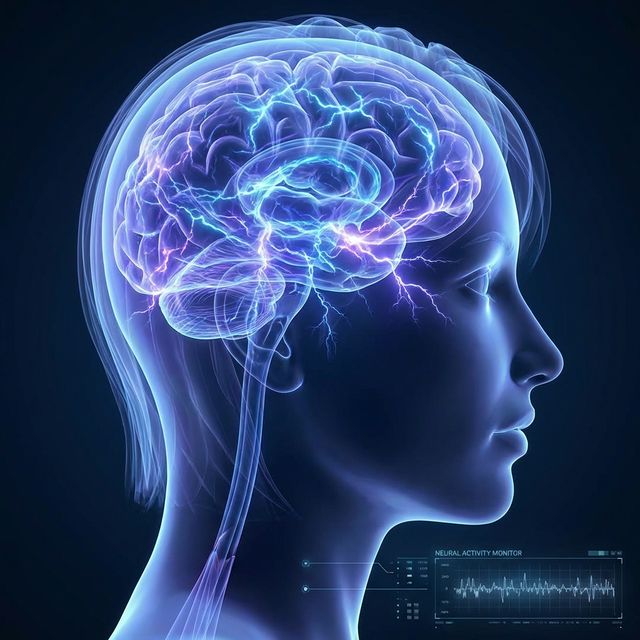
Migraines are caused by a genetically determined hypersensitivity of the brain that lowers the threshold for activating the trigeminal pain pathway. This biological vulnerability interacts with environmental, hormonal, and lifestyle triggers, including hormonal fluctuations, sleep disruption, stress, weather changes, certain foods, and sensory stimuli, to initiate the cascade of neurological events that produce a migraine attack. No single cause applies to everyone. Migraine is the result of individual susceptibility combined with cumulative triggering.
If you've ever been told that migraines are "just headaches" or that you're being dramatic, please know: that's wrong. Migraine is a recognized neurological disorder that can be genuinely disabling. Understanding what causes yours is one of the most powerful things you can do to start taking back control.
Understanding why migraines happen means separating two things: the underlying cause (why your brain is predisposed) and the triggers (what sets off an attack in that predisposed brain). Both matter, and both can be addressed.
The Underlying Cause: A Sensitized Brain
Migraine is a neurological disorder, not simply a bad headache. The fundamental cause is a brain that processes sensory information differently, more intensely and with lower thresholds for activation, than the brains of people who don't get migraines.
This is not a character flaw. It is neurobiology.
Genetics
Migraine runs in families. If one parent has migraine, their child has a 50% chance of developing it. If both parents have migraine, that rises to 75%. Genome-wide association studies have identified more than 40 genetic loci associated with migraine susceptibility, affecting:
- Ion channels that regulate neuronal excitability
- Neurotransmitter systems (particularly serotonin and glutamate)
- Vascular tone regulation
- Cortical spreading depression threshold
This genetic basis means that having migraine reflects a specific neurological architecture. You didn't bring this on yourself.
Cortical Spreading Depression
The aura phase of migraine is caused by cortical spreading depression (CSD): a slow wave of electrical depolarization that sweeps across the cortex at about 3mm per minute, followed by suppressed activity. This wave activates the trigeminal nerve endings surrounding blood vessels, triggering the inflammatory cascade that produces migraine pain.
CSD is now understood to be the mechanistic link between trigger exposure and the full migraine attack.
The Trigeminal Pain Pathway
The headache in migraine is produced by activation and sensitization of the trigeminovascular system: the trigeminal nerve and the meningeal blood vessels it innervates. When activated, the trigeminal nerve releases inflammatory neuropeptides (particularly CGRP, calcitonin gene-related peptide) that dilate blood vessels and create neurogenic inflammation, producing the throbbing pain that characterizes migraine.
CGRP is why the newest migraine medications, CGRP inhibitors, are so effective. They block this specific pathway rather than treating pain non-specifically.
Serotonin Dysregulation
Serotonin plays a central role in migraine. Serotonin levels drop significantly during an attack. Triptans work by binding to serotonin receptors (5-HT1B/1D), mimicking the effect of serotonin and shutting down the trigeminal pain signal. Many dietary and hormonal migraine triggers act through their effects on serotonin metabolism.
Why Some People Get Migraines and Others Don't
Everyone has a migraine threshold: the point at which the trigeminal system activates and produces an attack. In people without migraine, this threshold is high enough that ordinary life rarely crosses it. In people with migraine, the threshold is lower due to genetic and neurological factors.
Think of it as a cup filling with water. Each trigger adds a little water. When the cup overflows, a migraine occurs. The cup size (threshold) varies from person to person. People with migraine have smaller cups.
This model explains a lot of things that might feel baffling or unfair:
- Why the same trigger (a glass of wine) causes a migraine one day but not another. The cup was already fuller on the bad day.
- Why eliminating one trigger doesn't eliminate all migraines. Other triggers are still filling the cup.
- Why preventive medications help. They effectively increase the cup size.
You are not imagining the inconsistency. Your brain's threshold genuinely changes day to day.
The Major Migraine Causes and Triggers
Hormonal Changes (Especially Estrogen Fluctuation)
The single most powerful migraine trigger for many women is estrogen. Estrogen modulates serotonin receptors and affects neuronal excitability throughout the brain. When estrogen drops, at the end of the menstrual cycle, during perimenopause, or after childbirth, migraine threshold drops dramatically.
Menstrual migraine (attacks occurring in the days around menstruation) affects up to 60% of women who have migraine. These attacks are typically longer, more severe, and more resistant to treatment than attacks at other cycle phases. This is real, and it is not "just PMS."
Hormonal migraine causes include:
- Perimenstrual estrogen withdrawal: the most consistent hormonal trigger
- Combined oral contraceptives: the estrogen-free interval (the pill-free week) causes a sharp estrogen drop
- Perimenopause: erratic estrogen fluctuations increase migraine frequency for many women
- Pregnancy: the first trimester often worsens migraine; the second and third trimester often improve due to stable high estrogen
See the detailed guide to hormonal migraine and estrogen for a full explanation.
Sleep Disruption
Both too little and too much sleep trigger migraines. The brain requires consistent sleep to regulate neurochemistry. Disrupted sleep affects serotonin, cortisol, and pain threshold.
Common sleep-related causes include:
- Sleep deprivation (less than 6 to 7 hours)
- Oversleeping on weekends (changing wake time by even 1 to 2 hours disrupts the circadian cortisol spike)
- Sleep apnea (early morning headaches are a classic sign)
- Night shift work or jet lag
The "weekend migraine" that steals your Saturday is a classic sleep-disruption pattern. Sleeping in late combined with delayed caffeine intake produces a predictable attack. Many people feel robbed of their one day to rest. Understanding this pattern is the first step to breaking it. See sleep deprivation and migraine for the full mechanism.
Stress and the Stress Letdown Effect
Stress is one of the most commonly reported migraine causes, and it operates in a particularly cruel way.
During stress: Cortisol (a natural anti-inflammatory) rises, temporarily raising migraine threshold. Your brain is in high-alert mode and suppresses pain. You push through.
After stress ends: Cortisol drops rapidly. The suppressed neuroinflammation is suddenly unmasked. This is the stress letdown or let-down migraine, which is why the attack hits on the first day of vacation, after a major deadline, or on the weekend when things finally calm down.
It can feel like your body is punishing you for relaxing. It isn't. It's a known neurological pattern. Chronic stress also directly sensitizes the trigeminal system over time, contributing to migraine transformation from episodic to chronic. See stress and headaches.
Weather and Barometric Pressure Changes
Weather changes are among the most biologically consistent migraine triggers, affecting an estimated 50 to 75% of people with migraine. The primary mechanism is barometric pressure change: the drop in atmospheric pressure that precedes storms.
Low barometric pressure alters oxygen delivery to brain tissue and affects sinus cavities. The trigeminal nerve, which innervates the meninges and surrounding structures, responds to these pressure changes. Many people with migraine can predict weather fronts by their migraine onset long before any forecast.
Other weather-related causes include:
- High humidity
- Rapid temperature changes
- Bright sunlight and glare
- Strong winds
This is a real physiological response, not imagination. See how weather affects migraines and the science of weather triggers for detailed mechanisms.
Dietary Causes and Food Triggers
Food triggers are real but often overstated. They are more accurately understood as amplifying factors: they raise the water level in the cup rather than being sole causes. This is important to know because completely eliminating a food group is not always necessary and can add anxiety to an already exhausting condition.
Caffeine:
Both excess caffeine and caffeine withdrawal trigger migraines. The mechanism is vascular: caffeine constricts blood vessels, and withdrawal causes rebound dilation. Regular caffeine users are particularly vulnerable if their intake time changes by even 1 to 2 hours.
Alcohol:
Red wine is the most reported alcohol trigger. Histamine, tyramine, sulfites, and direct serotonin effects have all been proposed as mechanisms. Spirits and beer also trigger attacks in susceptible people. Alcohol dilates blood vessels and disrupts sleep, compounding its trigger effect.
Tyramine-containing foods:
Aged cheeses, cured meats, fermented foods, and some fish contain tyramine, a compound that affects vascular tone and serotonin metabolism. Sensitivity varies widely between individuals.
MSG (monosodium glutamate):
Found in processed foods, fast food, and some cuisines. It activates glutamate receptors in susceptible individuals.
Artificial sweeteners:
Aspartame in particular has been linked to migraine in controlled studies.
Skipping meals:
Hypoglycemia (low blood sugar) from missed meals is a consistent and underappreciated cause. Blood sugar drops activate stress pathways and lower migraine threshold rapidly. Regular meal timing, ideally never going more than 4 to 5 hours without food, prevents this trigger.
Dehydration:
Even mild dehydration (1 to 2% of body weight in fluid loss) increases blood viscosity and affects cerebral blood flow regulation. Staying consistently hydrated is simple but genuinely effective. See the complete food triggers guide for a full breakdown.
Sensory Overstimulation
The migrainous brain is hyperresponsive to sensory input, and this means the world can sometimes feel relentlessly hostile during a vulnerable period. Common sensory causes include:
- Bright or flickering light: fluorescent lighting, computer screens, sunlight through trees while driving
- Loud or sustained noise: concerts, busy environments, construction
- Strong smells: perfume, cleaning products, cigarette smoke, paint fumes
- Screen time: prolonged visual focus strains the visual cortex, which is already hypersensitive in migraine
If you find yourself avoiding certain environments or apologizing for needing a quieter space, you are not being difficult. You are managing a neurological condition.
Medications and Medication Overuse
Medication overuse headache (MOH) is one of the most significant and underrecognized causes of chronic daily headache in people with migraine. Taking acute migraine medications (triptans, NSAIDs, combination analgesics) more than 10 to 15 days per month paradoxically sensitizes the pain system, leading to more frequent headaches.
This is a painful trap to be in, and many people find themselves there without realizing what happened. The medication that used to help is now part of the problem. If this sounds familiar, please talk to your doctor. It is treatable, but it needs a plan.
Other Medical Causes
Conditions that can trigger or worsen migraine include:
- Hypertension: particularly if poorly controlled
- Thyroid disorders: both hypo- and hyperthyroidism affect migraine frequency
- Anemia: low oxygen delivery to brain tissue
- Obstructive sleep apnea: morning headaches and disrupted sleep architecture
- Cervicogenic issues: neck dysfunction that triggers the trigeminocervical pathway
Identifying Your Personal Migraine Causes
Because triggers interact and accumulate, identifying your specific causes requires systematic tracking rather than guessing. A migraine diary should record:
- Date and time of attack onset
- Sleep hours and quality the night before
- Hormonal cycle phase (for women)
- Foods and drinks consumed in the 24 hours prior
- Stress level the day before and on the day
- Weather conditions at onset
- Any medications taken, both regular and rescue
After 4 to 6 weeks of consistent tracking, patterns emerge that are completely invisible in real-time memory. The data often reveals that what seemed like a random attack actually correlates predictably with hormonal timing, weather, or sleep changes.
You deserve that clarity. Knowing your pattern is not the same as curing your migraine, but it changes the relationship from feeling ambushed to feeling informed, and that matters enormously.
Migraine Trail automatically overlays your attack log with local weather data, so barometric pressure triggers surface without any manual effort. Voice logging captures full attack detail in seconds. Use the free PDF reports to share trigger patterns with your neurologist. The patterns in tracked data are the foundation of effective migraine management.