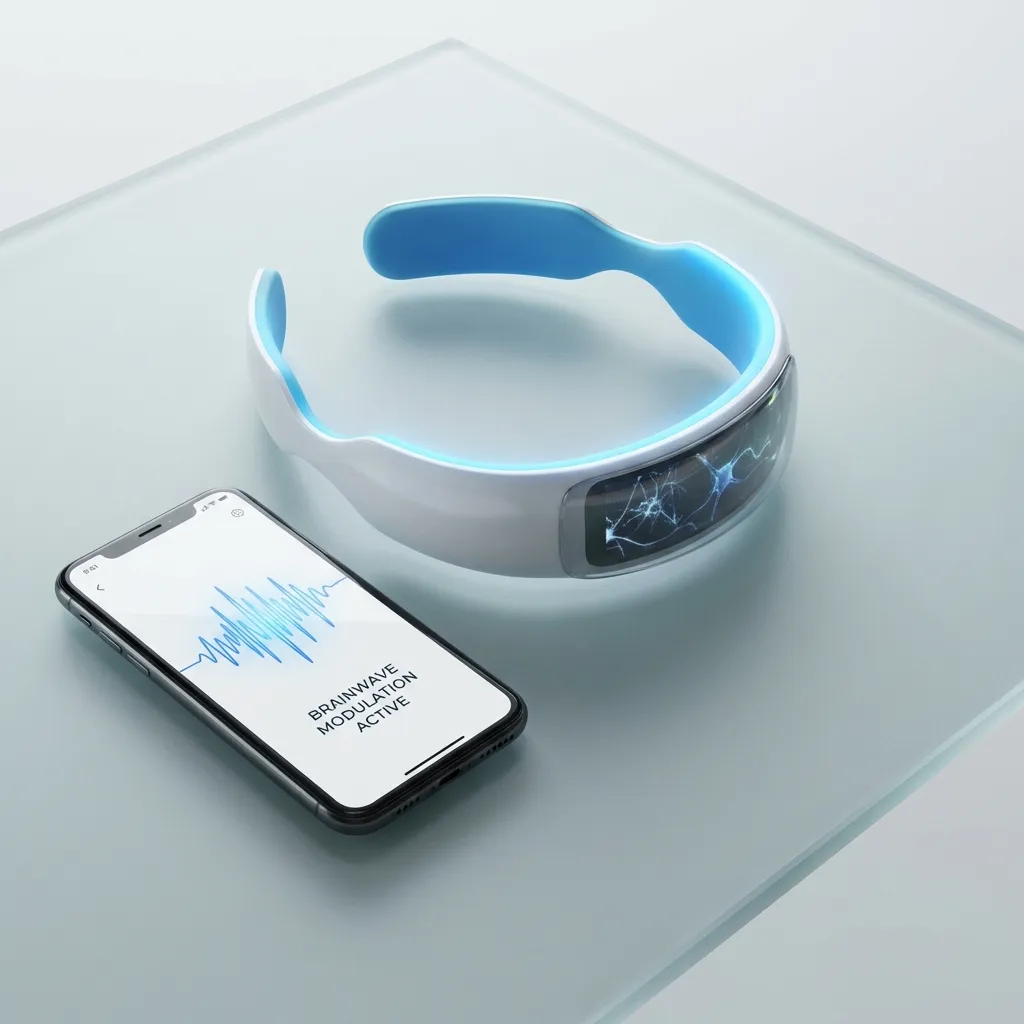
Key Takeaway: We are currently in the "golden age" of migraine technology. From advanced AI analysis that predicts attacks to wearable devices that block pain signals, the future of management is about early detection and personalized care. Using a the app to build your health data today is the best way to access the precision medicine of tomorrow.
For decades, migraine treatment was limited to "dark rooms and cold packs." But the last five years have seen a revolution in our understanding of the migraine brain and the tools we use to treat it.
1. AI-Powered Predictive Analytics
The most exciting frontier in migraine tech is predictive modeling. Your brain is a complex system that responds to thousands of environmental and internal factors.
A next-generation Migraine Trail app like Migraine Trail uses AI to see the subtle patterns that humans miss. It can correlate your barometric pressure exposure, your sleep quality, and even your stress levels to warn you: "You are at an 85% risk of a migraine in the next 12 hours. It’s time to rest."
2. Wearable Neuromodulation Devices
If you want to avoid medication, neuromodulation is the future. Devices like CEFALY, Nerivio, and Gammacore use electrical or magnetic pulses to stimulate specific nerves (like the trigeminal or vagus nerves) to stop an attack or prevent future ones.
- Tip: These devices are increasingly being integrated with migraine log app data to optimize their settings for your unique pain patterns.
3. The Power of Voice-First Interaction
The "screen barrier" is the biggest hurdle for migraineurs. Staring at a bright phone during an attack is painful.
The future is "dark room first." Migraine Trail's voice logging feature allows for hands-free, eyes-free documentation. By using a headache diary of visual strain, you can record your symptoms which allows the AI to catch your attacks earlier than ever before.
4. Telemedicine and Remote Monitoring
The specialized care of a neurologist is now available from your living room. Your migraine diary app data can be shared in real-time with your medical team, allowing for faster medication adjustments and more personalized care plans.
Frequently Asked Questions
Q: Are migraine tracker apps accurate for future predictions?
A: Yes. The more data you provide, the more accurate the AI becomes. By logging consistently, you help build a predictive model specifically for your unique brain.
Q: What is the best migraine tracking app for the future?
A: An app that prioritizes voice logging, weather tracking, and AI analysis-like Migraine Trail-is the most future-proof tool for anyone living with migraines.
Q: How do I track my migraines for better care?
A: Move beyond simple notes. Use a digital the app that captures all your data points automatically, ensuring you build the most complete picture of your health.
Keep Reading