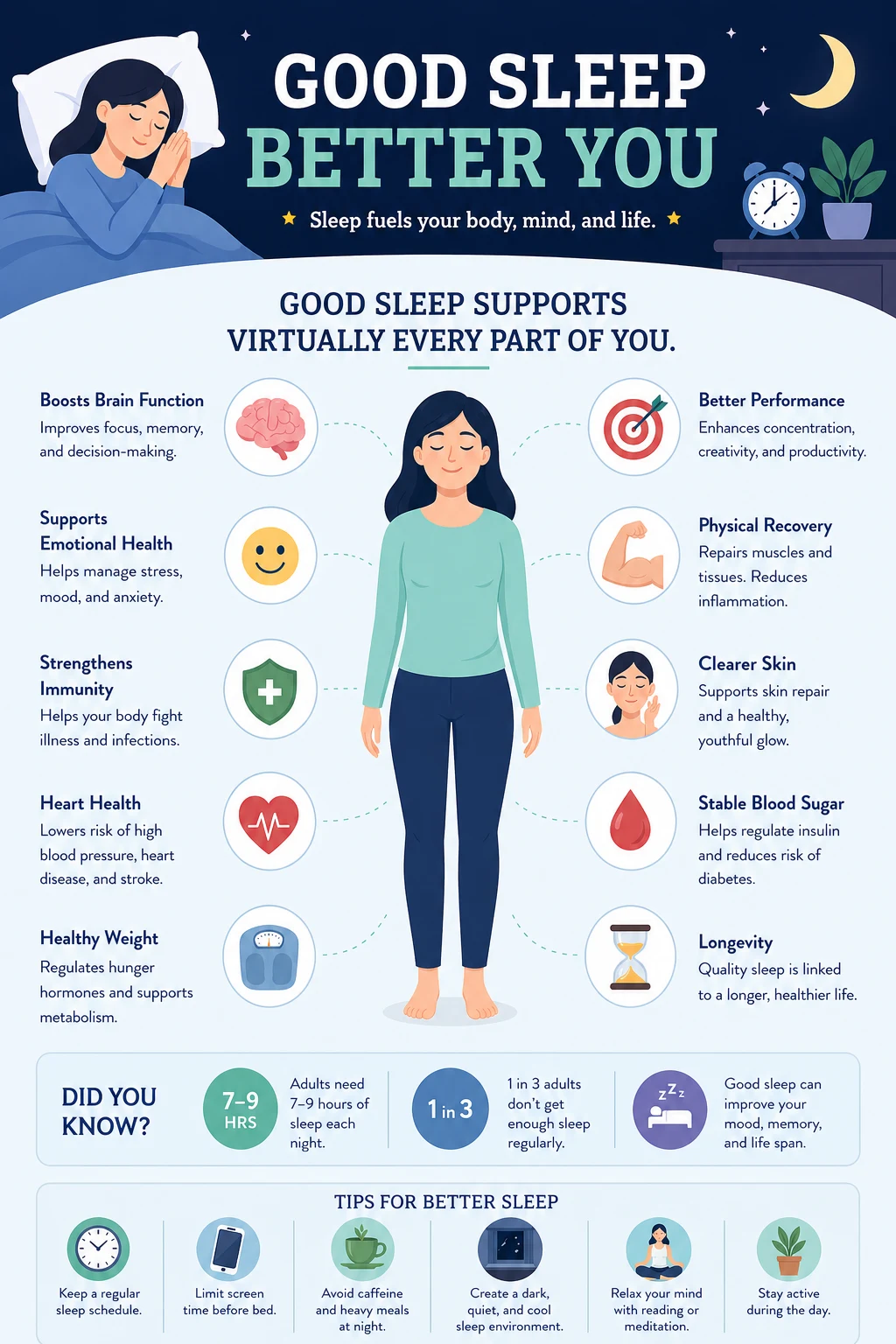
We know how incredibly hard it can be to navigate the day when you are exhausted. If you are living with chronic pain, unpredictable flare ups, or frequent headaches, getting a restful night can feel like an impossible challenge. Pain can keep you awake, and being awake can make the pain worse, creating a frustrating cycle that is difficult to break. However, it is essential to remember that sleep is not a luxury. It is the vital fuel that powers your body, mind, and life.
Good sleep supports virtually every part of you. When you prioritize rest, you are giving your body the fundamental tools it needs to heal, perform, and thrive. Instead of viewing sleep as just another task on your to do list, try to view it as the ultimate form of self care. By taking small, deliberate steps toward better rest, you can reclaim your energy and improve your quality of life. Let us explore the profound, science backed ways that quality sleep transforms your health from the inside out.
How Sleep Supports Your Entire Body
1. Boosts Brain Function
A well rested brain is sharp, capable, and ready to process complex information. Sleep profoundly improves focus, memory, and decision making. During deep sleep, your brain actively consolidates memories, sweeping away unnecessary information and strengthening the neural pathways that matter most. Whether you are working on complex professional tasks, managing household logistics, or simply trying to remember your daily schedule, adequate rest is your best asset for cognitive clarity.
2. Supports Emotional Health
Living with chronic conditions can take a significant mental and emotional toll. Quality sleep helps manage stress, stabilize mood, and reduce anxiety. When you are well rested, the emotional centers of your brain are better equipped to handle frustrations and setbacks. It gives you the emotional resilience needed to face difficult days with grace and patience. For more on how these factors intertwine, explore the stress and headaches connection.
3. Strengthens Immunity
Your body does its best, most aggressive healing while you sleep. Rest helps your body fight illness and infections by producing infection fighting antibodies and cells. Keeping your immune system robust and ready to protect you is especially important when your body is already working hard to manage chronic pain. Without sufficient sleep, your body is simply more vulnerable to common illnesses.
4. Heart Health
Protecting your heart is crucial for your overall longevity. Sleep lowers the risk of high blood pressure, heart disease, and stroke. During the night, your blood pressure naturally drops, giving your heart and blood vessels a much needed break. Without enough sleep, your blood pressure stays higher for a longer period of time, which can put immense strain on your cardiovascular system over the years.
5. Healthy Weight
Did you know that sleep regulates hunger hormones and supports your metabolism? When you are sleep deprived, your body produces more ghrelin, the hormone that signals hunger, and less leptin, the hormone that tells you when you are full. Maintaining a healthy weight is much more manageable when your body gets the rest it requires to balance these critical signals, preventing intense cravings for sugary or high carbohydrate foods.
6. Better Performance
Whether at work, during personal hobbies, or while exercising, sleep enhances concentration, creativity, and overall productivity. It improves reaction times and helps you sustain attention for longer periods. When you sleep well, you bring the best, most vibrant version of yourself to every activity you undertake, allowing you to achieve your goals with less perceived effort.
7. Physical Recovery
Sleep actively repairs muscles and tissues while reducing widespread inflammation. This is especially important for anyone dealing with chronic pain conditions. During deep sleep stages, blood supply to your muscles increases, delivering extra oxygen and nutrients that facilitate healing and growth. Understanding the sleep deprivation and migraine link can be a game changer for your recovery journey, helping you understand why rest is a pillar of pain management.
8. Clearer Skin
They do not call it "beauty sleep" for nothing. Rest supports skin repair, collagen production, and gives you a healthy, youthful glow. Poor sleep can lead to increased stress hormones, which might worsen skin conditions and lead to a dull, tired complexion. Adequate rest ensures that your skin cells have the time they need to regenerate overnight.
9. Stable Blood Sugar
Quality sleep helps regulate insulin, the hormone responsible for controlling your blood sugar. Getting enough rest reduces the risk of developing type 2 diabetes and keeps your energy levels remarkably steady throughout the day. This stability prevents those sudden afternoon crashes that leave you reaching for another cup of coffee or an unhealthy snack.
10. Longevity
Ultimately, quality sleep is consistently linked to a longer, healthier life. It is the absolute foundation of long term well being. Prioritizing your sleep is one of the most effective, accessible ways to invest in your future health, paying dividends in every single aspect of your daily experience.
Did You Know?
- Adults need between 7 to 9 hours of sleep each night to function at their absolute best.
- Unfortunately, 1 in 3 adults do not get enough sleep on a regular basis, leading to chronic sleep debt and increased vulnerability to illness.
- Good sleep can dramatically improve your mood, memory, and overall life span.
If you are part of the one in three struggling to get enough rest, you are absolutely not alone. It is easy to fall into patterns that disrupt our natural rhythms. Fortunately, there are gentle, actionable steps you can take starting tonight to reclaim your rest.
Tips for Better Sleep
If you are looking to improve your rest and, by extension, your management of migraines, try incorporating these simple adjustments into your evening routine:
- Keep a regular sleep schedule: Go to bed and wake up at the exact same time every day, even on weekends. This helps to firmly set your body's internal clock and makes falling asleep much easier over time.
- Limit screen time before bed: The blue light emitted from phones, televisions, and tablets can heavily interfere with your natural sleep cycles by suppressing melatonin production. Try turning off devices at least an hour before you plan to sleep.
- Avoid caffeine and heavy meals at night: Give your digestive system and nervous system plenty of time to wind down before you get into bed. Opt for a light snack if you are truly hungry, and switch to herbal tea in the afternoon.
- Create a supportive environment: Make your bedroom dark, quiet, and comfortably cool. Consider using blackout curtains, a comfortable eye mask, or a white noise machine if necessary to block out disruptions.
- Relax your mind: Try reading a physical book, listening to gentle music, or practicing meditation. Addressing anxiety before bed is crucial for falling asleep peacefully and staying asleep through the night.
- Stay active during the day: Regular physical activity can help you fall asleep much faster and deepen your sleep quality, though you should aim to avoid vigorous workouts right before bedtime.
We fully understand that building new habits takes time and profound patience. Be gentle with yourself during this process. Do not feel pressured to change everything at once. Start with just one small, manageable change tonight, and slowly build a routine that intimately supports the deep, healing sleep you so deeply deserve.